Why loudness is not a «volume knob»
Streaming services play to a target loudness (often around −14 LUFS integrated for stereo music). If you are hotter, the service turns you down; if you are quieter, it may boost slightly. Heavy limiting adds distortion without more impact after normalisation.
At Peonscale we master for release and for listening on studio monitors (we use 2 nearfield pairs in the suite). Stereo per song from €95 incl. VAT; EP €320; album up to twelve songs €690.
LUFS, true peak and dynamics
Integrated LUFS is average loudness across the song; short-term and momentary meters help us balance heavy sections. True peak (dBTP) must stay below encoder clipping — we aim conservatively so AAC/MP3 does not create intersample peaks.
Dynamics range is not a goal on its own, but too much compression flattens vocals and drums. We tune limiter and EQ to genre and your mix; aggressive EDM needs different choices than acoustic singer-songwriter.
Delivering the mix before master
Send stereo mix WAV 24- or 32-bit float, no bus limiter, peaks around −3 to −6 dBFS headroom. List reference tracks (for tonal balance, not copying). If you have stems, see delivering stems for mix — we usually master from stereo mixdown.
After mixing with us we keep the approved mix; no need to re-upload. External mixes: share a link via contact with title, artist and target release date.
Platform-specific exports
Spotify, Apple Music, Deezer and other EU services typically take 44.1 kHz 16-bit PCM through your aggregator. We deliver hi-res master plus 16-bit dithered version if you skip aggregator normalisation.
Vinyl needs its own sequence and sometimes shorter sides — agree that before mastering. Podcast or broadcast loudness norms differ; that is outside standard music master unless booked.
Check whether your distributor enables «loud» normalisation; some artists choose slightly higher integrated LUFS and accept downstream gain reduction.
Album sequence and gaps
For EPs and albums we plan gaps between songs and consistent loudness across the list. 2 revision rounds are included for level/EQ tweaks on the same material.
You enter ISRC and metadata at your distributor; we name files to your tracklist. Project retention: 24 months — request re-exports before you switch label.
Listening and feedback
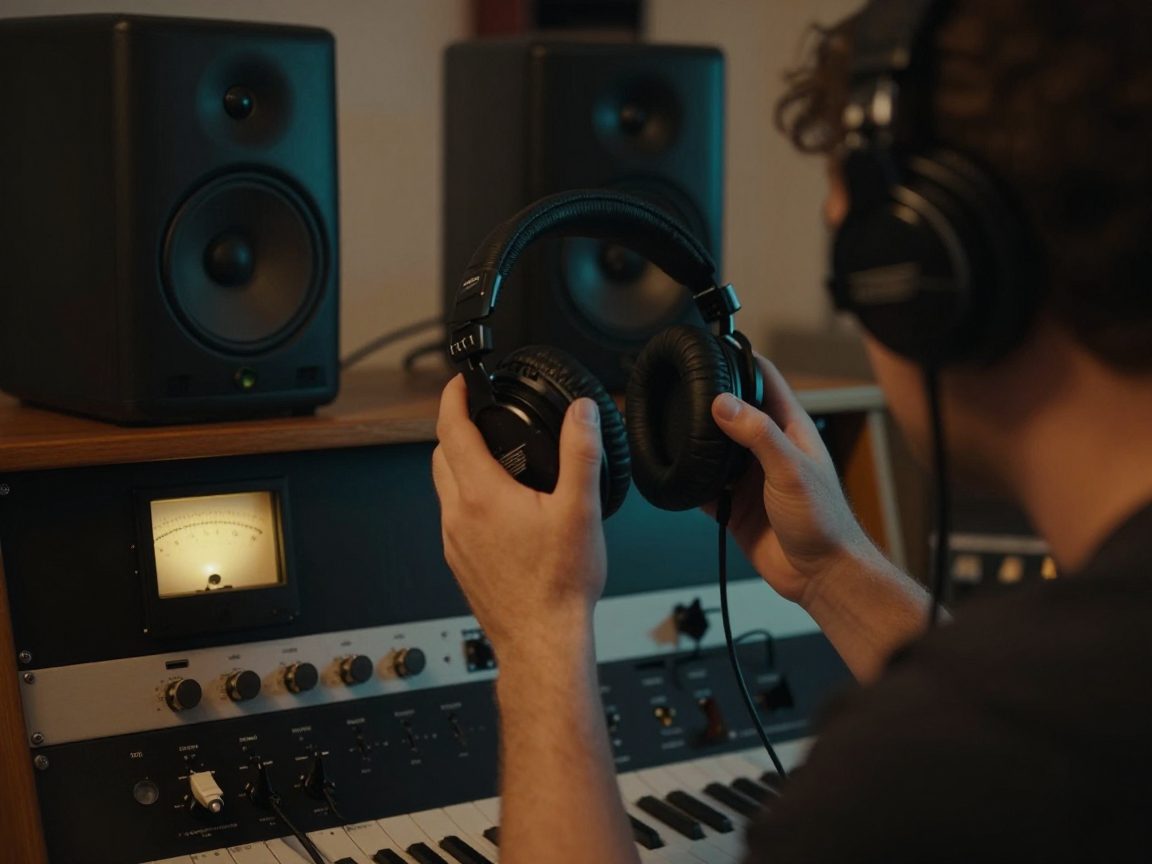
Use headphones and speakers for notes; earbuds alone hide bass issues. Write specific comments («chorus 2:10 — sibilance») instead of «louder».
For home comparison, disable Spotify normalisation for A/B, or level-match a reference track. We can send a short preview mp3 before final WAV — ask when deadlines are tight.
At our De Pijp suite you can book a supervised A/B on 2 monitor pairs via contact when you finish an album.
Fees and rights
Net per track €78.51 excl. 21 percent VAT. B2B invoices: pay within 14 days. Mastering does not claim songwriting copyright; usage is covered in our terms and conditions and disclaimer.
Bundle mastering with vocal recording or a band day in one quote via [email protected] — fewer mix back-and-forth emails.
Summary table
| Parameter | Guide |
|---|---|
| Mix input | WAV, no bus limiter, headroom |
| Integrated loudness | Near platform norm (−14 LUFS common) |
| True peak | Safe margin below 0 dBTP |
| Revisions | 2 rounds in base price |
| Booking | contact — reply within 2 business days |
Still tracking? Vocal warm-up and band planning help you deliver a mix that is ready to master.